
Intro
The world of Acro is vast and growing and it continues to surprise me every day. I have been in the Acro world for about 19 years now and it seems like there are new elements being added to it every week. Here is some brief knowledge about what Acro is, the history of it, the different types of Acro, benefits of Acro and how to get started as a beginner.
The different types of Acro
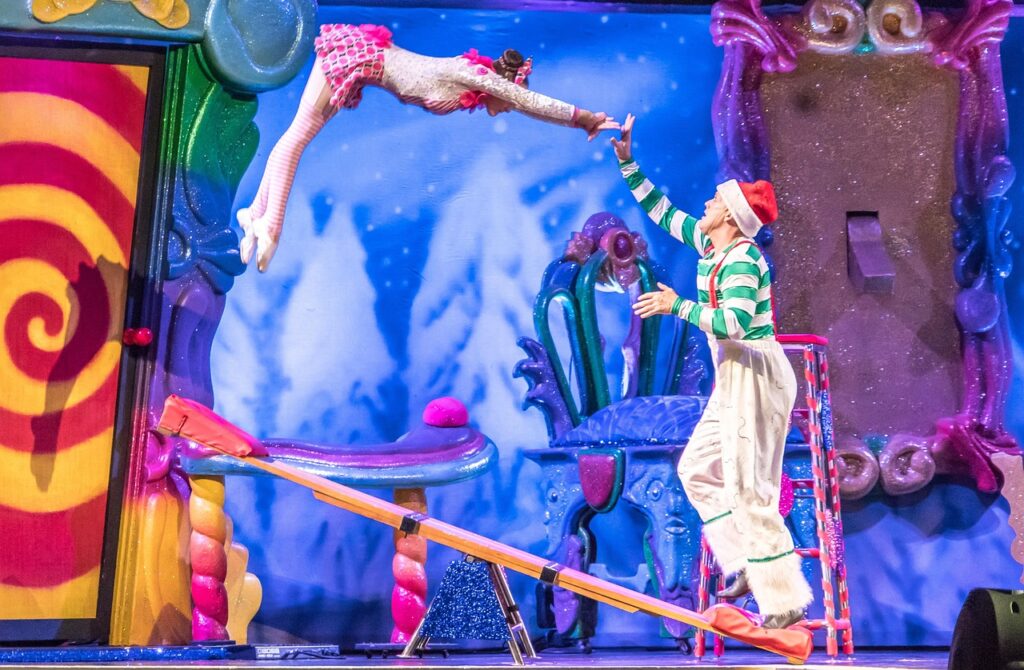
There are so many different types of Acro: You have Acrobatics, Circus, Gymnastics, Cheer, Aerial, Acro Sport, L-Basing, Acro Yoga. These are the different forms that I’m aware of and more will probably develop as progress on.
Acrobatics:
Acrobatics describes the performance style of balance, agility, and coordination. These would look like tumbling, hand balancing, partner balancing, and group pyramids.
Acro Sport:
Acro Sport also known as Acro Gymnastics combines elements of Gymnastics, Dance, and Acrobatics. You are focusing more on working in a pair, group, or team to accomplish routines, moves and choreography.
Circus:
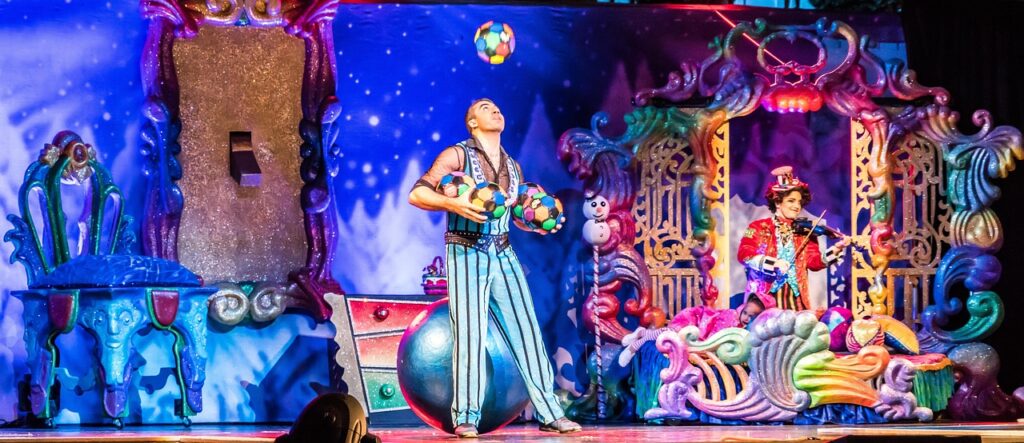
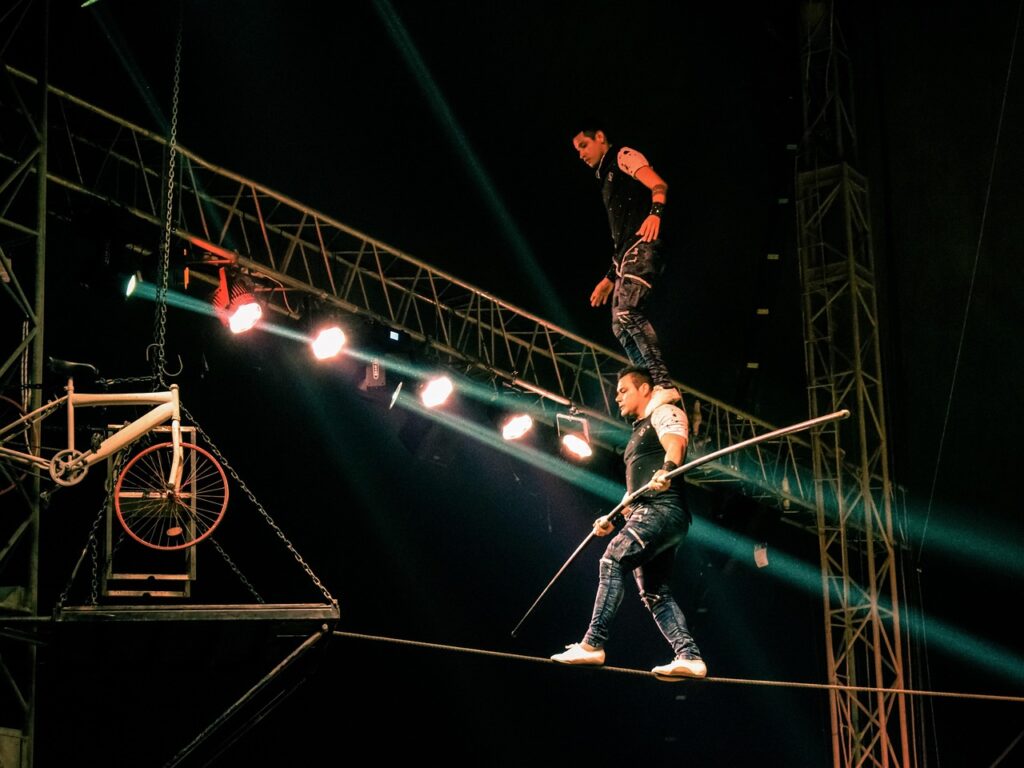
Circus involves many skilled acts. It is a lot of random acts that you wouldn’t normally see on just any stage. Some of these acts often include acrobatics, aerial acts, clowning, juggling, tightrope walking, and other daring and entertaining acts.
Most of the time circuses are traveling around in tents or in dedicated circus buildings.
Cheer:
Cheerleading combines dance, gymnastics, and cheer chants. It involves Stunts, Jumps, tumbling, and choreographed routines. Cheerleading works on routines that involve individual and group moves. Cheer also has competitions with different divisions where they have specific guidelines for rules and scoring.
Gymnastics:
Gymnastics has a variety of disciplines, artistic gymnastics, rhythmic Gymnastics, trampoline, and many more.
It involves performing exercises that require strength, flexibility, and coordination. Gymnastics routines feature a combination of skills on apparatus like the floor, vault, bars, and beam.
Artistic gymnastics emphasizes strength and flexibility, rhythmic gymnastics involves dance and apparatus work, and trampoline gymnastics focuses on aerial skills.
Aerial Acrobatics:
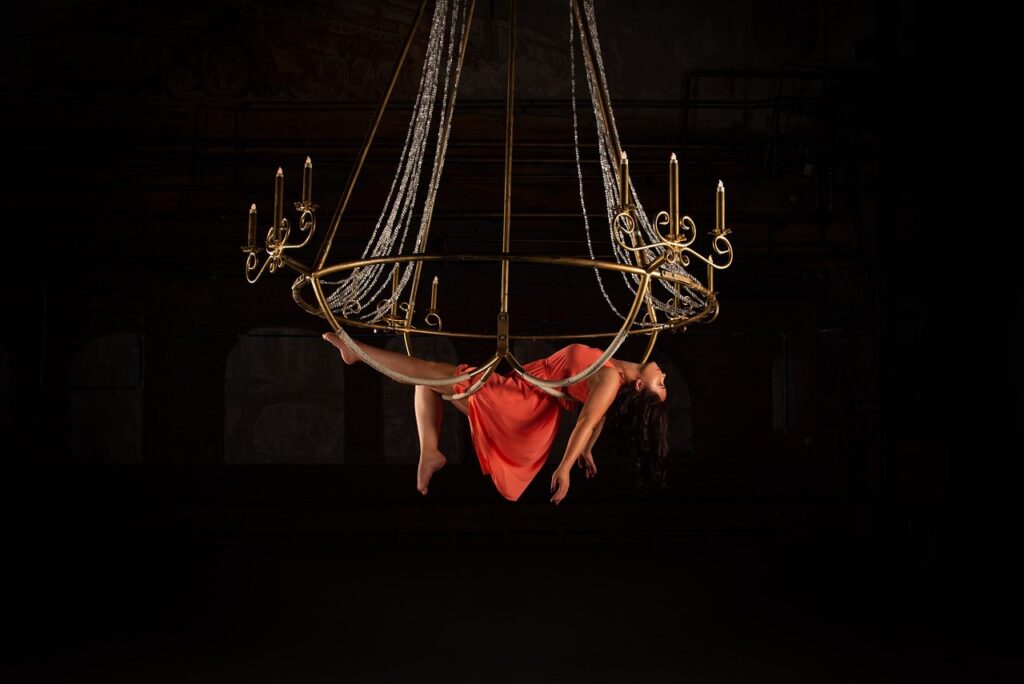
Aerial Acrobatics are performances that take place in the air, often using apparatus like aerial silks, aerial Straps aerial hoop, trapeze, or pole.
It combines elements of dance, strength, and flexibility. Performers use apparatus to create visually stunning routines that showcase strength, grace, and artistry.
L-Base Acro:
L-Base Acro is a form of partner acrobatics. The base typically lies on their back, creating an “L” shape with their body, and supports the flyer’s weight using their hands and feet.
This style of Acro emphasizes balance, strength, and trust between partners.
Acro Yoga:
Acro Yoga is a dynamic and interactive form of yoga that combines traditional yoga, acrobatics, and Thai massage. It involves partner-based yoga poses with one person as the base, another as the flyer, and sometimes a spotter for safety.
Acro Yoga focuses on communication, trust, and connection between partners, and it often includes elements of balance, strength, and flexibility. The different styles can range from therapeutic and meditative to acrobatics and playful.
While acrobatics is a broad term encompassing various forms of physical features, each discipline—Circus, Acro Sport, Cheer, Gymnastics, Acro Yoga, L-Base Acro and Aerial Acrobatics—has its own unique characteristics, rules, and cultural contexts.
They share elements of athleticism, coordination, and artistic expression but have distinct focuses and requirements.
History
Acrobatics, rooted in ancient civilizations like Egypt and China, has a rich history evolving through various cultures. Chinese acrobats, known for their remarkable skills, influenced global acrobatic performances.
Greco-Roman antiquity incorporated acrobatics into festivals, and it persisted through medieval Europe, captivating audiences at fairs and royal events.
The modern circus, emerging in the 18th century, played a pivotal role in shaping acrobatics. Circus acrobats showcased daring features on trapeze, tightrope, and more.
Over time, circus acrobatics evolved, reaching new heights with troupes like the Flying Wallendas and Cirque du Soleil pushing boundaries.
Gymnastics in the 19th century influenced acrobatics, leading to shared skills. In the contemporary era, acrobatics transcended the circus, featuring in stage performances, film, and TV.
Cirque du Soleil, since 1984, revolutionized acrobatics by combining it with storytelling, music, and theatrical elements.
Acrobatics found a place in sports, including disciplines like sports acrobatics and trampoline gymnastics.
Aerial acrobatics on silks, hoops, and poles gained popularity for artistic expression and fitness. Street and parkour acrobatics showcase athleticism in urban landscapes.
International festivals unite acrobats worldwide, fostering cultural exchange. Social media has made acrobatics accessible globally, captivating audiences with its dynamic blend of strength, agility, and artistry.
Today, whether in traditional circuses, modern productions, or sports arenas, acrobatics remains a captivating and evolving form of entertainment and expression.
Benefits of Acrobatics
Acrobatics can be a great way to improve your physical fitness. It can help you to improve your balance, coordination, and strength.
It can also help you to reduce stress and anxiety. In addition, you can build a strong community and have a lot of fun!
These days people need community, this has been one of the best ways to find new friends and meet new and interesting/awesome people.
Through my 17 years, I have met hundreds of people and helped coach them or worked with them and I have built a community of lifelong friends.
Where you can find the different Communities
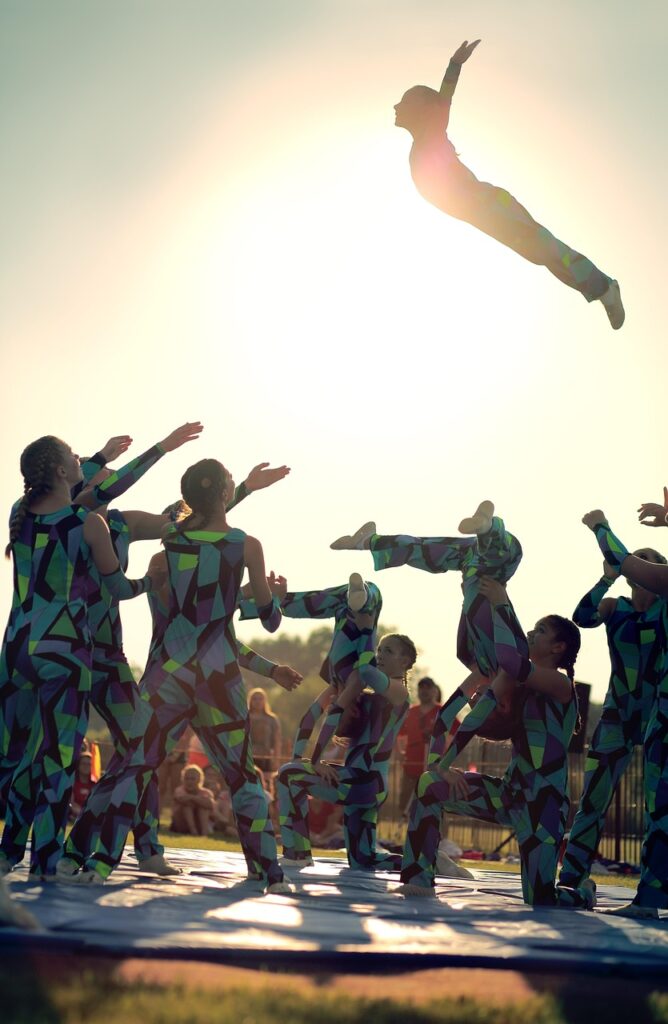
There are many different communities out there. Depending on your location, you could find a community of AcroJunkies right down the street from you. There are very well established communities all over the US and around the world.
Some of the biggest ones that I know about in the States are in San Antonio/Austin/Houston/Dallas TX, Colorado Springs/Boulder/Denver CO, Chattanooga/Scottsdale TN, Buffalo/New York City NY, Las Vegas NV and Los Angeles CA. But there are smaller ones in Columbia/St. Louis/Kansas City/Springfield MO, Lincoln/Omaha NE, Salt Lake City UT, Phoenix AZ, Miami FL, Oklahoma City OK, Boston MA, Columbus OH, and many more.
You can even find a Local Circus Center, they Are offering some kind of classes or can lead to where you are looking for.
There is even Acrobatics in the Christian School. There are Elementary to High School to College level Acro Sport in Michigan, Missouri, Texas, Maryland, Nebraska, Tennessee, Florida, Oregon, New York, Arkansas, Oklahoma, Colorado, Arizona, Puerto Rico, Minnesota, Kentucky, Washington and Wisconsin.
Just check out any Adventist School that is closest to you and they probably have an Acrobatic Gymnastics Team.
There are 5 universities that host the annual Acrofest for these teams and they are Southwestern Adventist University (Texas), Union Adventist University (Nebraska), Southern Adventist University (Tennessee), Andrews Adventist University (Michigan), Washington Adventist University (Maryland).
I have been to all 5 of these Universities for their Acrofest. About 5-800 Athletes show up for these Acrofests and they do Clinics for 2 days then they have a huge performance on Saturday night for 1500-3000 people depending on the venue. It’s a huge spectacle, I feel everyone needs to enjoy it at least once in their life.
How to Start
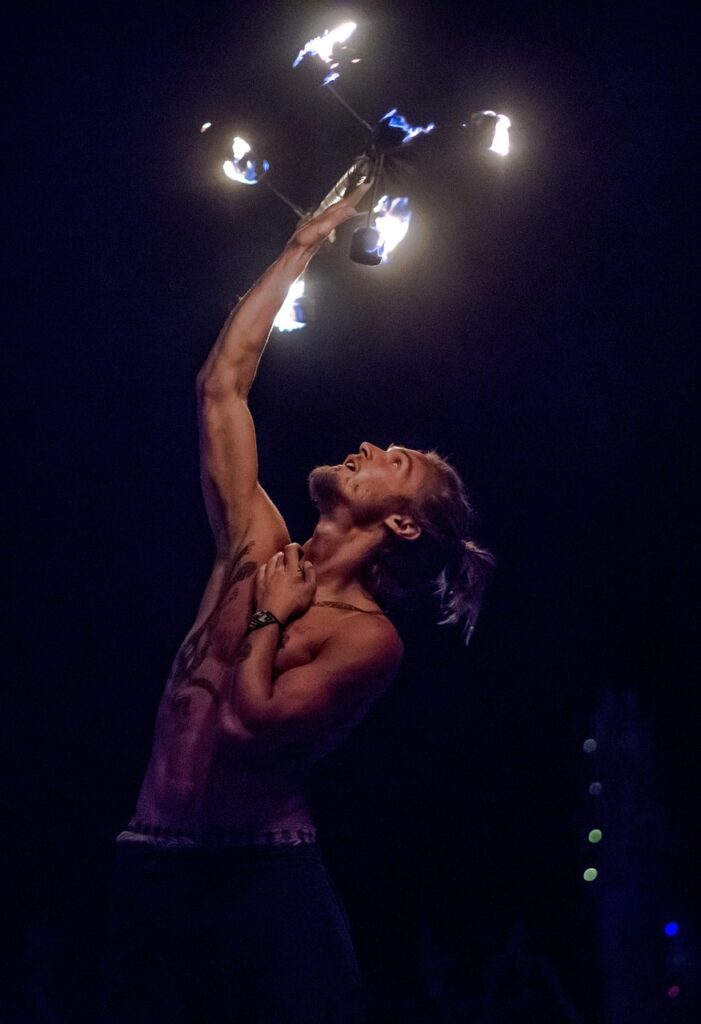
My best advice to you, is get online and check for Acro in your local area. See if there are any Acro communities in that area and if you can’t find any, then check from just your state and see what you can find. You can also check for local Circus Center. You can generally find the local communities on facebook or on instagram.
Check online/facebook for an Acro community in your local area, they will be able to help lead you towards some Acro training camps, weekend retreats, Acrofestivals, etc. Check for local workshops and jams to show up and meet new people. There are a lot of resources out there to start and build your skills and community.
You can also check out some moves on my social media pages. There I’ll be posting beginner level Acro moves and how to do them. You can literally start at home with a friend or partner and have some Fun and enjoy learning together.
Conclusion
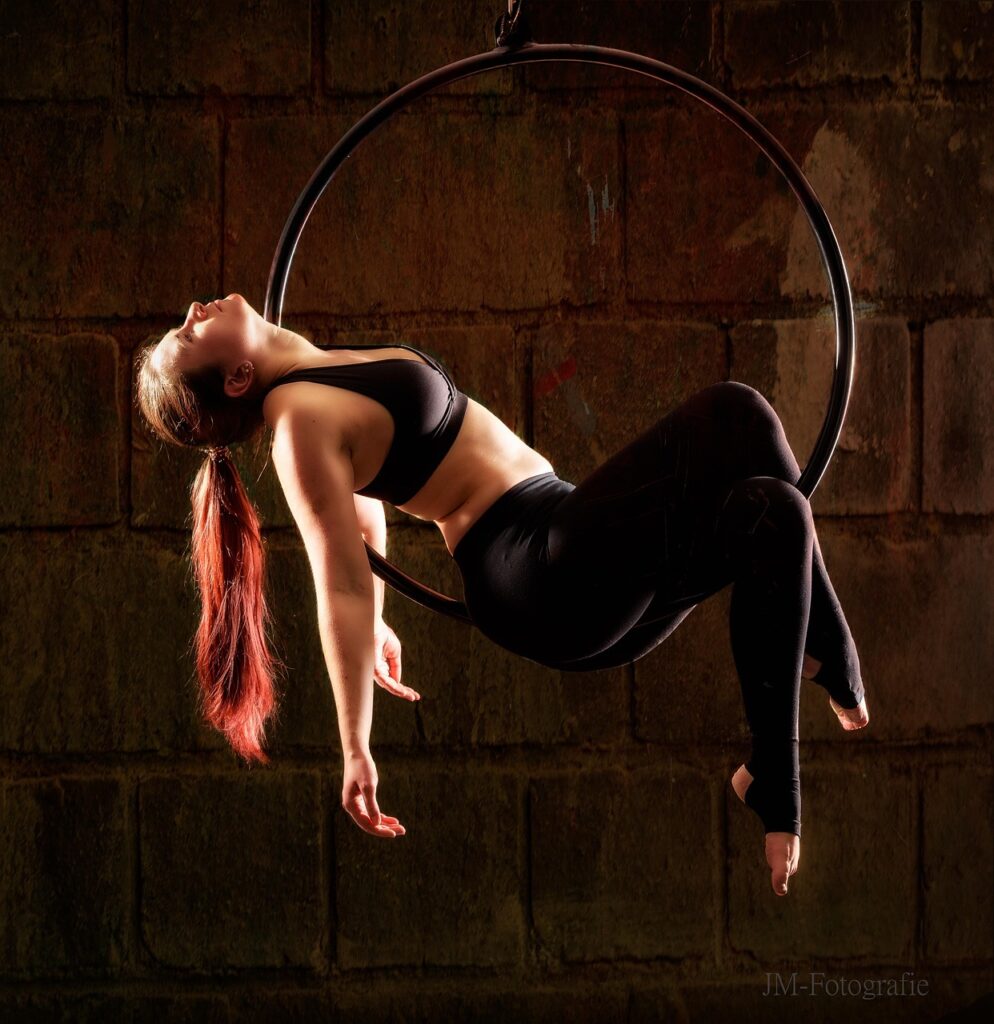
Today, acrobatics continues to captivate audiences with its combination of strength, agility, and artistry. Whether performed in traditional circus settings, contemporary stage productions, or sports competitions, acrobatics remains a dynamic and evolving form of entertainment and expression.