What Makes an Acrobatic Performance Truly Great?
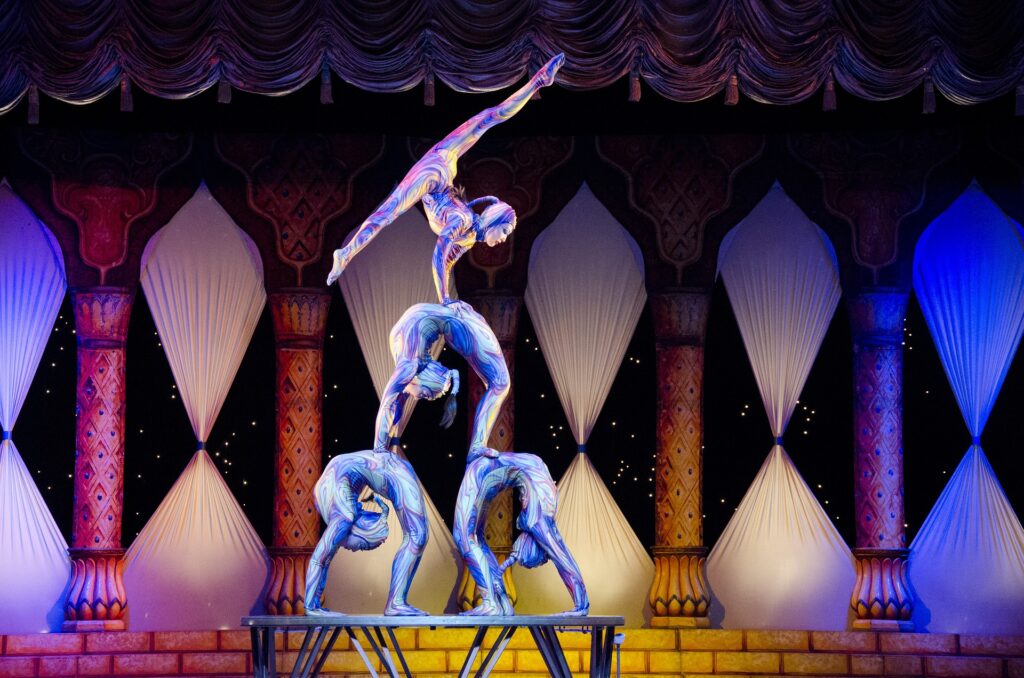
We’ve all seen technically difficult routines that somehow feel flat—and simple routines that are completely captivating. The difference usually isn’t the tricks. It’s the connection between movement, music, intention, and presence.
Great acrobatic performances tend to share a few qualities:
Clarity – The audience understands the mood or character quickly
Flow – Movements connect smoothly without visible effort
Musicality – Skills and transitions land with the music
Contrast – Changes in speed, level, or energy keep interest
Confidence – The performer looks at home in the air or on the floor
Commitment – The performer fully embodies the piece
When these elements align, audiences stop analyzing and start feeling. That’s the goal of routine design—not just to show what you can do, but to create an experience people remember.
Creating an acrobatic routine can feel overwhelming at first. You’re balancing skills, music, flow, safety, and expression—all while trying to make something that actually feels like you. The good news? Routine design doesn’t have to be complicated. With a clear idea and a thoughtful build, you can create a piece that’s both strong and memorable.
Here’s a practical, performer‑centered way to build a routine that works onstage—not just in your head.
Creating an acrobatic routine can feel overwhelming at first. You’re balancing skills, music, flow, safety, and expression—all while trying to make something that actually feels like you. The good news? Routine design doesn’t have to be complicated. With a clear idea and a thoughtful build, you can create a piece that’s both strong and memorable.
Here’s a practical, performer‑centered way to build a routine that works onstage—not just in your head.
1. Start With a Simple Idea
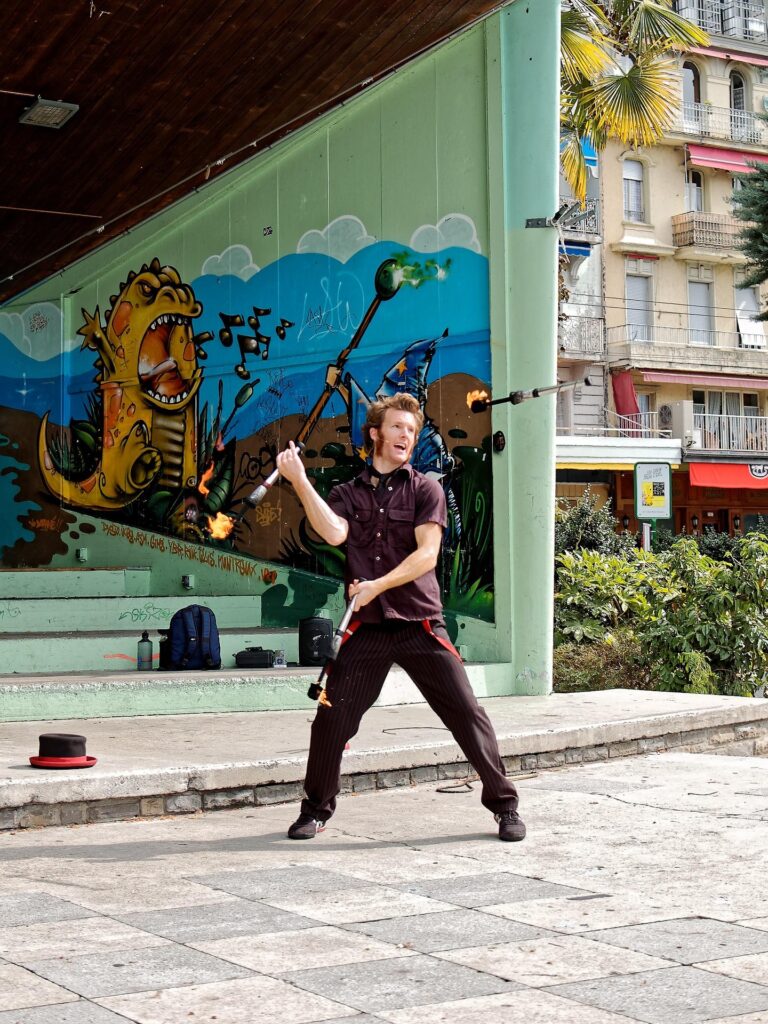
Every routine needs a heartbeat. Not a full story or elaborate theme—just a clear feeling or intention.
Ask yourself:
- What do I want people to feel when they watch this?
- Powerful? Playful? Smooth? Dramatic?
- What kind of movement feels most natural to me right now?
If you can describe your piece in one short sentence, you have enough to start. That idea will guide your music and movement choices.
2. Pick Music You Actually Move Well To
It’s easy to choose music you love—but harder to choose music your body loves.
When testing tracks, notice:
- Does your movement naturally match the tempo?
- Are there clear accents or swells you can highlight?
- Can you imagine where big skills might land?
A helpful trick: listen once without moving and tap the beats where you feel major moments. Those are great places for highlights later.
3. Build Around What You Do Best
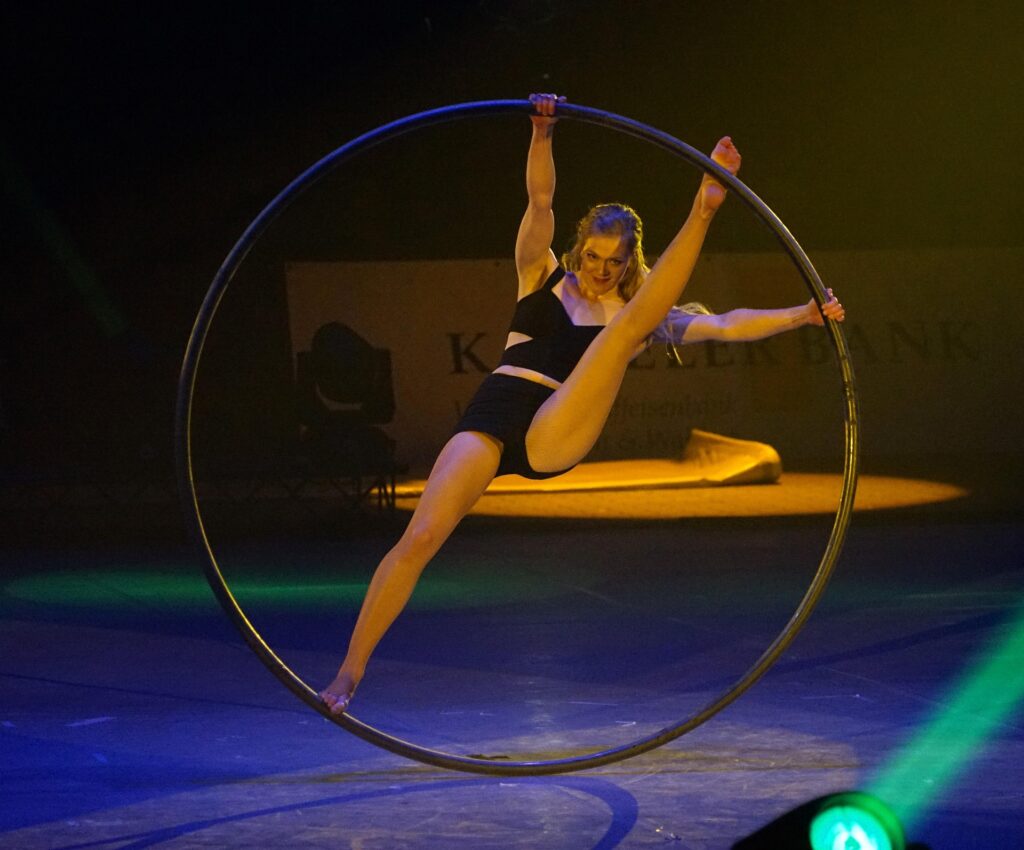
A strong routine isn’t a list of your hardest tricks—it’s a showcase of your most reliable, beautiful movement.
Make three quick lists:
- Signature skills – your wow moments
- Reliable skills – consistent and comfortable
- Optional skills – newer but stage‑ready
Your signature skills should land on musical peaks. Reliable skills keep the routine flowing between them.
4. Shape the Routine Like a Journey
Most engaging routines have a natural arc: start, build, peak, finish.
Beginning – establish mood, enter cleanly, show control
Middle – increase energy, travel more, layer difficulty
End – biggest moment, clear finish, strong pose
If you imagine the energy level rising like a wave, you’re on the right track.
5. Focus on Flow Before Tricks
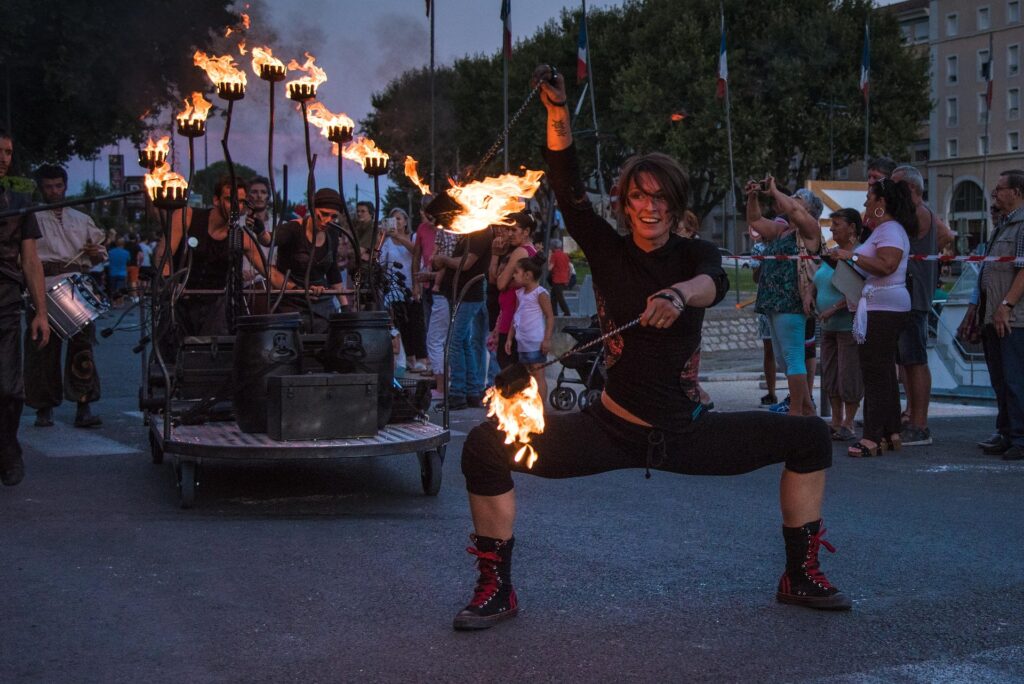
Audiences remember how a routine moves, not just what tricks it contains.
Spend time connecting skills smoothly:
- How do you enter and exit each shape?
- Can direction change naturally?
- Does momentum carry you forward?
A great test: if the tricks were removed, would the transitions still look intentional? If yes, your flow is working.
6. Add Contrast to Keep Interest
If everything is fast, nothing feels fast. If everything is high, nothing feels high.
Mix opposites:
- Slow control → dynamic release
- Compact shapes → long lines
- Stillness → spin or swing
- Low level → height
Contrast is what makes audiences feel shifts in energy.
7. Place Big Skills Strategically
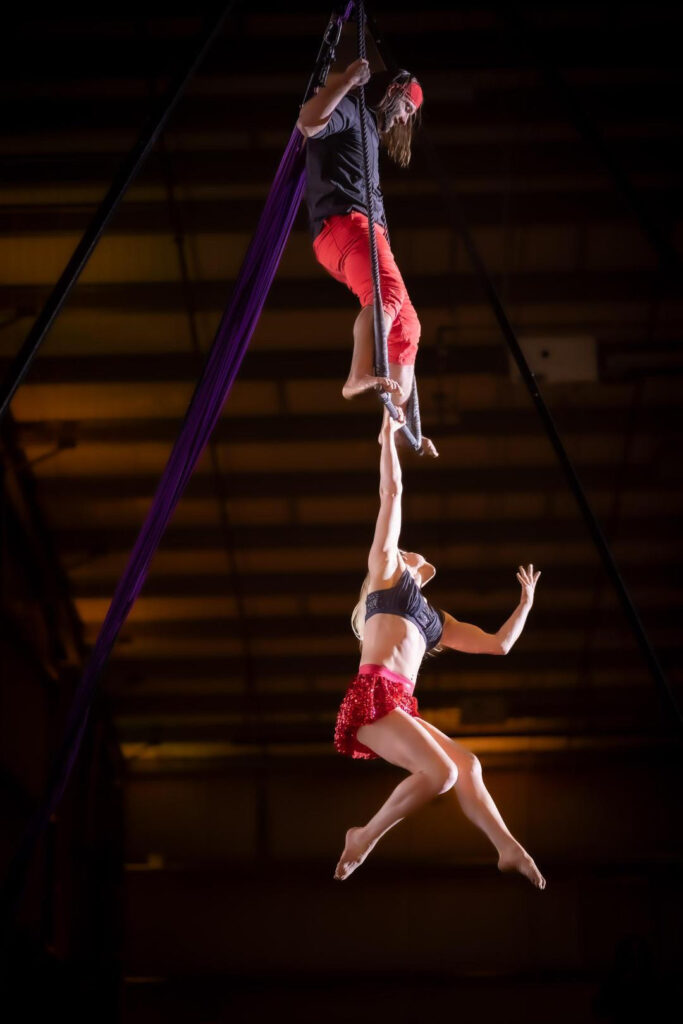
Spacing matters more than difficulty.
A simple rule that works well:
- First highlight: about one‑third in
- Biggest moment: final third
- Ending: decisive and held
This keeps people engaged and builds anticipation naturally.
8. Check Safety Honestly
Performance changes everything—grip, nerves, fatigue, lighting.
Review your routine for:
- Grip changes under fatigue
- Drop entries and exits
- Spin tolerance
- Apparatus contact points
If something isn’t consistent most of the time, it’s not stage‑ready yet. Modify or swap it.
9. Rehearse Like It’s Real
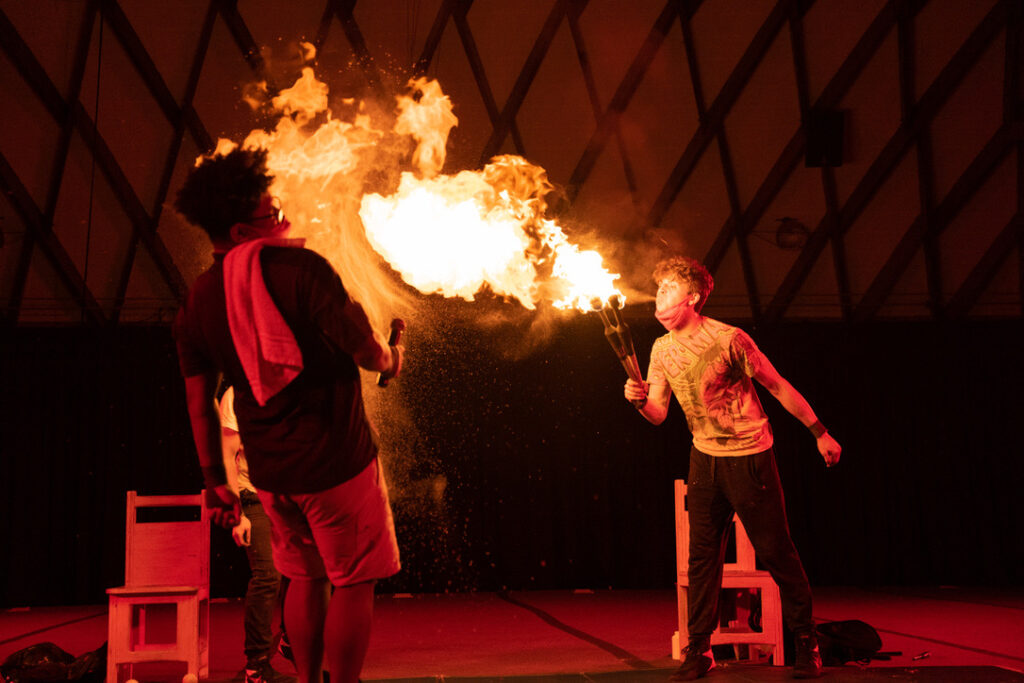
Once structure is set, stop training it like drills and start running it like a performance.
Practice with:
- Full costume or grip aids
- Performance hair or headpiece
- Different music volumes
- People watching
This is where timing and confidence lock in.
10. Polish the Details That Read on Stage
Small refinements make a huge difference to an audience.
Focus on:
- Clean lines and toes
- Where your head and eyes look
- Breath matching phrasing
- Expression and presence
- Holding the final pose
Video review helps you see what the audience actually sees.
Common Routine Pitfalls
- Packing in too many tricks
- Ignoring musical phrasing
- Ending without a clear finish
- Repeating similar shapes
- Staying in one direction or level
Quick Planning Sheet
Idea / feeling:
Music:
Signature skills:
Opening:
Build section:
Climax skill:
Ending:
Key transitions to refine:
Final Thought
A memorable acrobatic routine isn’t defined by the hardest skill—it’s defined by clarity, flow, and intention. When your movement, music, and personality line up, even simple skills feel powerful.
Build around what you do well. Refine what connects. Perform what feels true.
The Acrojunkie — Elevating the craft and culture of aerial and acrobatic performance.